

Oral Health After 35: Best Solutions for Gums & Bad Breath|Click Here To Get Your Oral Health
⭐⭐⭐⭐⭐(5/5)
+101 Ratings(5 stars )|60-day, 100% money-back guarantee |$114 Free Bonuses
Oral Health After 35: Best Solutions for Gums & Bad Breath.
As we move past the age of 35, oral healthafter 35 can become more challenging to maintain. Many adults in the USA begin noticing subtle changes such as bleeding gums, tooth sensitivity, enamel concerns, or bad breath that doesn’t seem to disappear even with regular brushing and mouthwash.
These changes can be influenced by age, daily habits, diet, stress, oral hygiene, and changes in the balance of bacteria in the mouth. Understanding the common causes of oral health problems after 35 can help you take practical steps to protect your gums, teeth, and fresh breath.
If you’ve ever wondered why your oral health may change after 35 and what you can actually do to maintain a healthier smile, this guide is for you. We’ll explore common gum and dental concerns, lifestyle factors that may affect your mouth, everyday prevention strategies, and the potential role of oral probiotics in supporting a balanced oral microbiome.
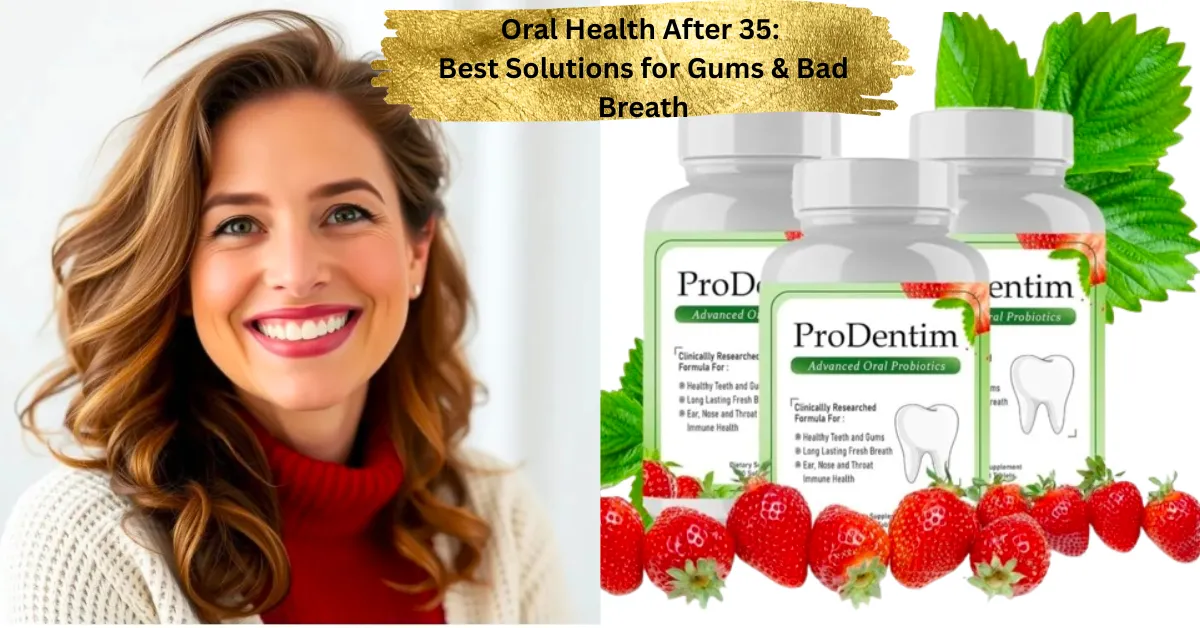
This in-depth resource explains:
Why gums, teeth, and breath problems increase with age.The hidden lifestyle habits damaging your mouth Natural, science-backed prevention strategies
How restoring healthy oral bacteria can change everything.
This is not a quick fix article. It’s a complete oral health blueprint designed to help you protect your smile long-term.
Why Oral Health Declines After 35
Aging affects more than just skin and joints—it changes your mouth at a biological level.
After 35,Saliva production often decreases
Gum tissue becomes more fragile
Harmful oral bacteria multiply faster
Enamel slowly weakens Inflammation becomes harder to control
These changes explain why many adults suddenly experience gum problems, tooth sensitivity, or chronic bad breath—despite good hygiene.
Common Oral Health Problems After 35
Gum Issues That Shouldn’t Be Ignored
Gum problems are often painless in the beginning, which is why they’re so dangerous.
Common symptoms include:
-
Bleeding while brushing or flossing
-
Swollen or tender gums
-
Receding gum lines
-
Persistent redness
Left untreated, these issues can lead to gum disease and even tooth loss.
Bad Breath That Doesn’t Go Away
Chronic bad breath (halitosis) isn’t just embarrassing—it’s often a sign of bacterial imbalance.
Most mouthwashes only mask odor temporarily and can worsen the problem over time by killing beneficial bacteria.
Teeth & Enamel Weakening
As enamel thins with age, teeth become more vulnerable to:
-
Sensitivity
-
Acid erosion
-
Cavities
-
Mineral loss
Lifestyle Habits That Damage Oral Health
Many everyday habits quietly destroy oral balance.
1.Overusing Antibacterial Mouthwash Kills good bacteria along with bad.
2.High-Sugar & Acidic Diets feeds harmful microbes and erodes enamel.
3.Stress & Poor Sleep weakens immune response in gums.
4.Antibiotic Overuse disrupts oral microbiome for months.
The Oral Microbiome: The Missing Link in Oral Health
Your mouth contains billions of bacteria—some protect you, others harm you.When this balance is disturbed, problems appear fast.
Good vs Bad bacteria
Good bacteria:
1.Protect enamel
2.Reduce inflammation
3.Prevent odor-causing compounds
Bad bacteria:
1.Cause gum disease
2.Produce sulfur odors
3.Weaken enamel
Natural Ways to Restore Oral Health After 35
Nutrition for Gums & Teeth
Key nutrients include:
Vitamin D
Vitamin C
Calcium
Magnesium
Probiotic Foods for Oral Balance
Certain fermented foods contain beneficial bacteria that may support a healthier balance of microorganisms in the mouth and digestive system. Including probiotic-rich foods such as plain yogurt, kefir, and other fermented options as part of a balanced diet can be a simple way to support overall wellness.
However, food alone should not replace regular brushing, flossing, professional dental care, or other proven oral hygiene practices.
Daily & Night Routines That Work
Consistency matters more than intensity when it comes to maintaining good oral health. A simple routine that you can follow every day is often more effective than relying on occasional intensive care.
Brush your teeth twice daily, clean between your teeth, stay hydrated, and maintain regular dental checkups. If you choose to use an oral probiotic, making it part of your established routine can make daily use easier to remember.
Can Probiotics Improve Oral Health?
Research into oral probiotics is growing, and some studies suggest that specific probiotic strains may support a healthier oral microbiome. Their potential benefits may include:
-
Reduce harmful bacteria
-
Support healthier gums
-
Help manage bacteria associated with unpleasant breath
-
Support a balanced oral environment
It is important to remember that probiotics are a supportive option, not a guaranteed treatment for dental problems. Results can vary depending on the probiotic strain, individual oral health, and consistency of use.
Best Probiotics for Oral Health (What to Look For)
Not all probiotics are designed to work in the mouth. When choosing a probiotic for oral health, it makes sense to look for a product specifically formulated with oral-friendly strains rather than choosing a general digestive probiotic alone.
An effective oral probiotic should:
-
Target oral-specific strains
-
Support gum tissue
-
Help manage odor-causing bacteria
-
Be convenient for daily use
-
Clearly identify the probiotic strains and amounts included
For people looking for a convenient way to support their oral microbiome, targeted oral probiotic supplements may be worth considering. Choosing a product formulated specifically for oral health can make the approach more focused and easier to incorporate into a daily routine.
👉 Learn more here (educational resource)Learn more here (educational resource)
Final Thoughts on Oral Health After 35: Protect Your Smile After 35
Oral health problems don’t appear overnight—but they can be reversed or managed when addressed early and correctly.
By understanding:
Why oral health declines with age
How bacteria influence gums, teeth, and breath
Which natural strategies actually work
You’re no longer guessing—you’re making informed decisions.
Your mouth is the gateway to your overall health. Protecting it today can save you pain, expense, and regret tomorrow.This concludes Oral Health After 35: Best Solutions for Gums & Bad Breath

